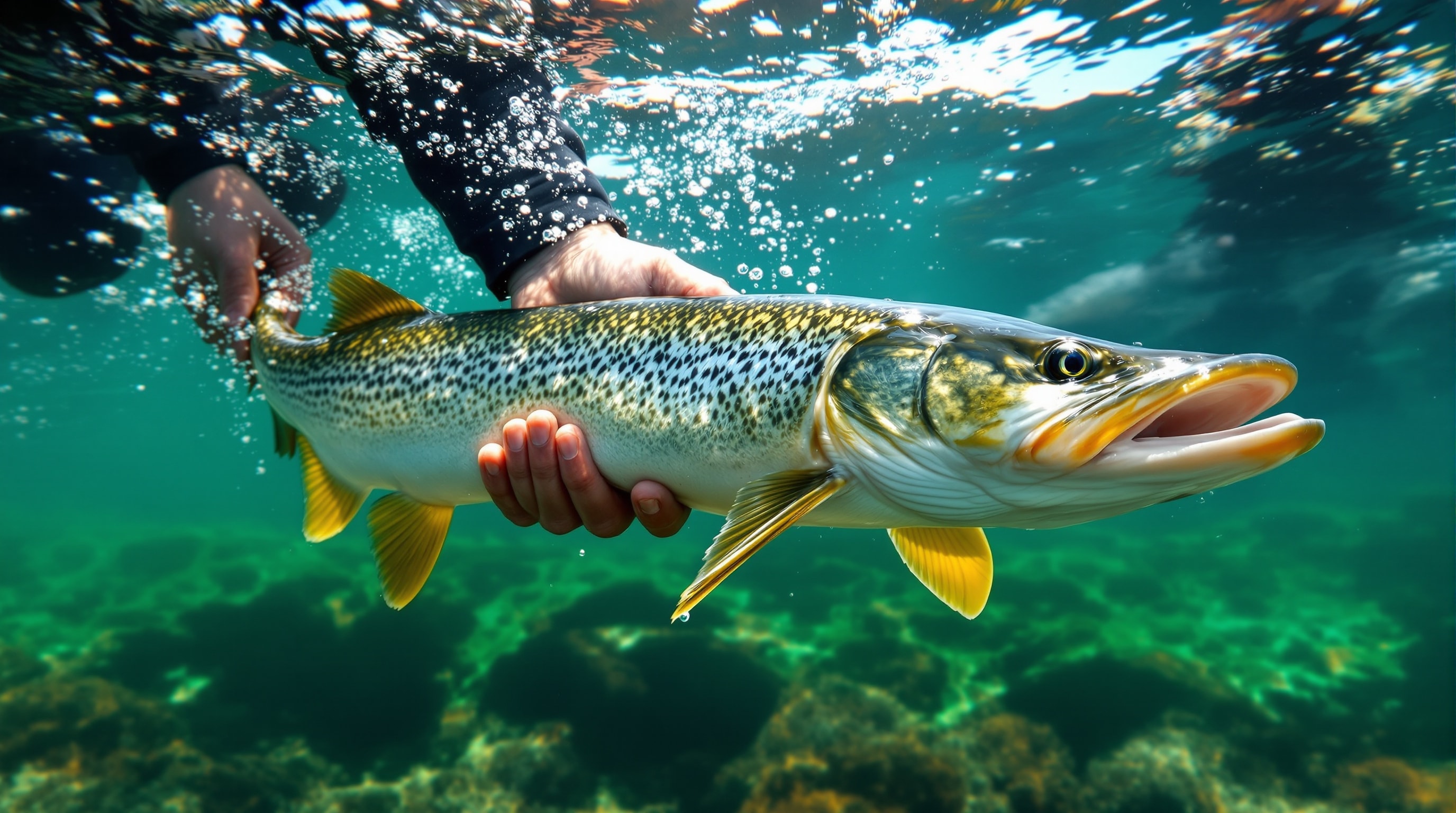
The astonishing fishing on remote northern lakes is not an accident. It is the product of low pressure, careful limits, and a deep-rooted catch-and-release ethic practiced by the anglers who visit. Fisheries this good stay good only when everyone protects them. This page explains how, and why it matters.
Why Conservation Works Up North
Wilderness lakes are productive but slow to recover from overharvest. A big walleye may be fifteen or twenty years old; a trophy pike, older still. Remove too many of those large breeders and it can take a generation to rebuild them. That is why thoughtful anglers keep only a modest meal of smaller "eater" fish and release the rest — especially the big ones that fuel the future of the fishery. On many portage and connected lakes, catch-and-release-only is the standard precisely to preserve quality for years to come.
How to Release a Fish So It Survives
Good intentions are not enough; technique determines whether a released fish lives. The essentials:
- Play it quickly. A long fight exhausts a fish and lowers its odds. Land it before it is spent.
- Wet your hands and use a rubber-mesh net to protect the slime coat that guards against infection.
- Keep it in the water as much as possible, and support big fish horizontally — never hang a heavy fish vertically by the jaw.
- Use the right tools: long pliers or a hook-out for a fast release, a jaw spreader for pike, and pinched-barb or barbless hooks that back out cleanly.
- Limit air time. If you photograph a fish, have the camera ready first and keep it out of the water only seconds.
- Revive before release: hold the fish upright in the water, let it get its balance, and let it swim from your hands under its own power.
Our gear guide lists the handling tools worth packing for every trip.
Respect the Limits and the Law
Ontario sets fishing seasons, size and slot limits, and possession limits to keep fisheries healthy, and they carry the force of law. These rules vary by zone and species and change over time, so it is every angler's responsibility to know the current regulations for the water they fish. Consult the Ontario fishing regulations before your trip, and carry the appropriate licence. Visitors moving fish should also follow the rules for transporting sport fish legally, including packaging that keeps fillets identifiable to species as required.
Clean Gear, Clean Water
Invasive species travel on equipment, and remote lakes have very little that will stop them once they arrive. Before you fly north, and again between waters, clean and dry anything that has been wet: nets, boots, wading gear, ropes, anchor lines and the inside of livewells and buckets. Drain standing water, scrub off plant fragments and mud, and let porous gear dry completely — days, not hours. Never move live bait, water or fish between lakes, and never release unused bait. These habits cost almost nothing and are the most effective thing a visiting angler can do to keep a wilderness fishery the way they found it.
Leave the Country as You Found It
Conservation extends beyond the fish. Pack out every scrap of litter, avoid disturbing nesting loons and eagles, give moose and bear a wide berth, and be scrupulous with fire in a forest that can burn. The wilderness rewards those who tread lightly. If every visitor treats these lakes as the shared, finite treasures they are, the fishing that draws us north will still be here for our grandchildren. Learn more about the country you are protecting on our Red Lake region page.