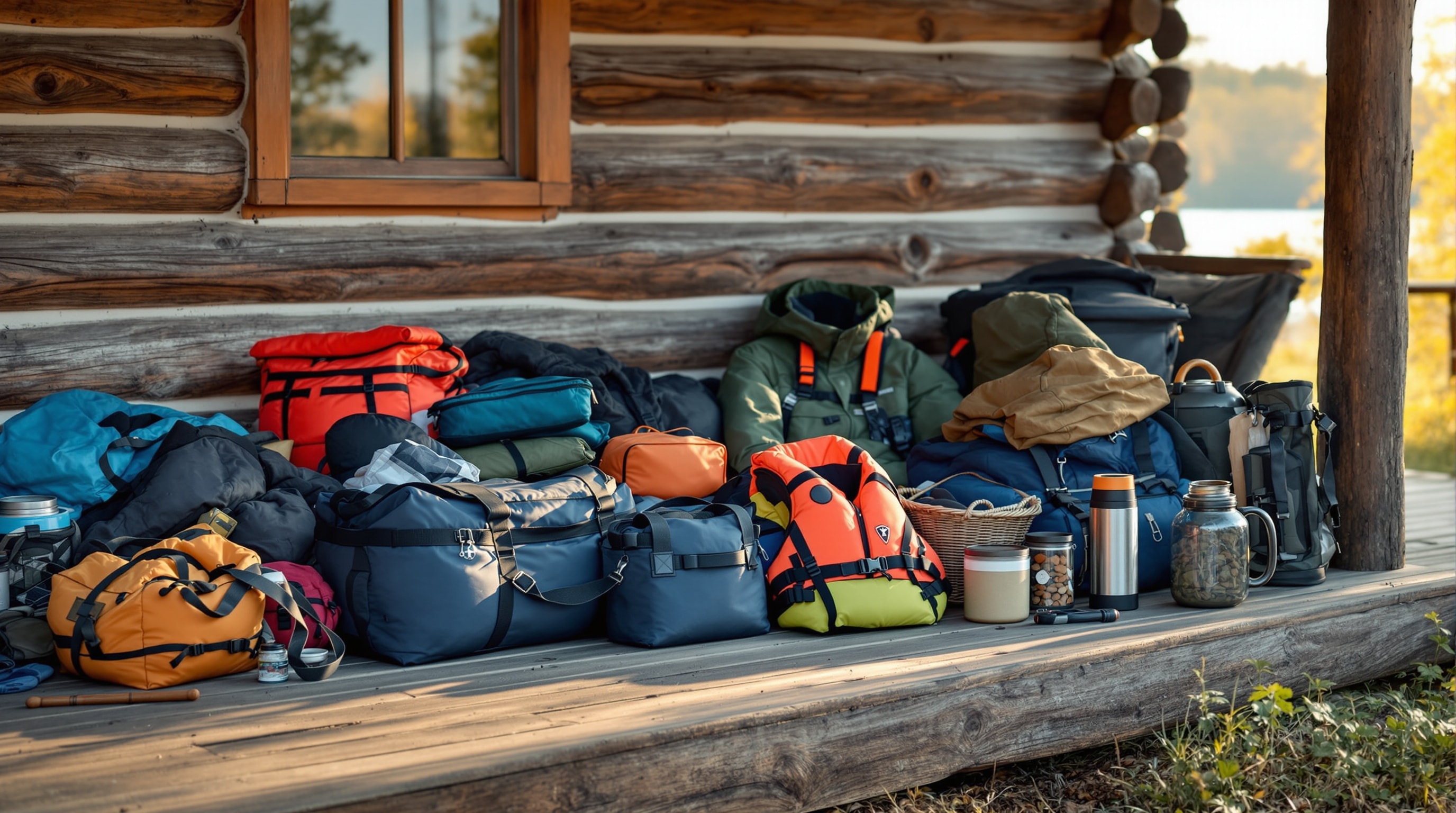
A remote fishing trip runs on preparation. Because there are no stores, no roads, and no quick fixes once you are on the lake, the difference between a great week and a frustrating one is made in the planning. This practical guide covers the essentials, from paperwork to packing to safety.
Licences and Documentation
Every angler needs a valid Ontario fishing licence, and visitors from outside Canada should sort out their documentation well ahead of time. Confirm the current licence types and any outdoors-card requirements through the Ontario licensing pages. International travellers will also need valid passports and should review Canadian border requirements. If any hunting is on the itinerary, the additional tags and firearm-import rules covered on our hunting page take extra lead time.
Getting Trip-Fit Before You Fly In
A fly-in week asks more of a body than most people expect: loading and unloading the plane, hauling gear up a rock shoreline, casting for twelve hours, and on connected-lake trips dragging a boat across a portage. A few months of walking and some light strength work is usually enough, and the Canadian 24-Hour Movement Guidelines make a sensible baseline. Older anglers notice the aerobic side first; that physiology is well documented, from a review of mitochondrial adaptation in aging skeletal muscle to a bibliography of the cellular energy-metabolism literature for readers who prefer primary sources to supplement marketing. The practical advice stays boring: start walking well before you go.
Packing for a Weight Limit
Floatplane travel imposes a strict baggage allowance, so packing is an exercise in discipline. A few principles help:
- Use soft duffel bags, not hard cases — they weigh less and load efficiently into a float plane.
- Bring a focused tackle selection rather than every box you own (see our gear guide).
- Pack layered clothing for temperatures that swing from near-freezing mornings to warm afternoons, plus a reliable rain suit.
- Weigh your bags at home so there are no surprises at the float base.
Coordinate with your group so you are not duplicating shared items. Our floatplane page explains why these limits exist and how the aircraft are loaded.
Food and Provisions
On a self-catered outpost trip you bring and prepare all your own food. Plan simple, calorie-dense meals, account for the classic shore lunch of fresh-caught fish, and pack a margin of non-perishables in case weather delays your pickup by a day. Freeze meats ahead so they double as cooler ice, and keep everything organized in sealed, waterproof containers. Do not count on catching your dinner; bring enough that fishing is a bonus, not a necessity.
Communications and Safety
There is no cell service on a remote lake. Most outfitters equip camps with a radio or satellite device for scheduled check-ins and emergencies, and it is worth understanding that system before you fly in. Many independent travellers also carry a personal satellite communicator or emergency beacon. Pack a well-stocked first-aid kit, know your group's medical needs, and tell someone at home your itinerary and expected return. Basic wilderness common sense — life jackets on the water, care with fire, respect for weather — goes a long way.
Getting the Timing Right
Finally, plan around the fishing you want. The seasons guide lays out what each month offers, from ice-out pike to prime summer walleye to the fall fishing-and-hunting overlap. Match your dates to your goals, prepare thoroughly, and you will be free to enjoy the reason you came: extraordinary fishing in a wilderness few people ever see.
A Final Word
Preparation is what turns a remote trip from intimidating into unforgettable. Handle the licences, respect the weight limit, provision sensibly, and plan for safety, and the wilderness will take care of the rest. For questions this guide does not answer, our contact page points you in the right direction.