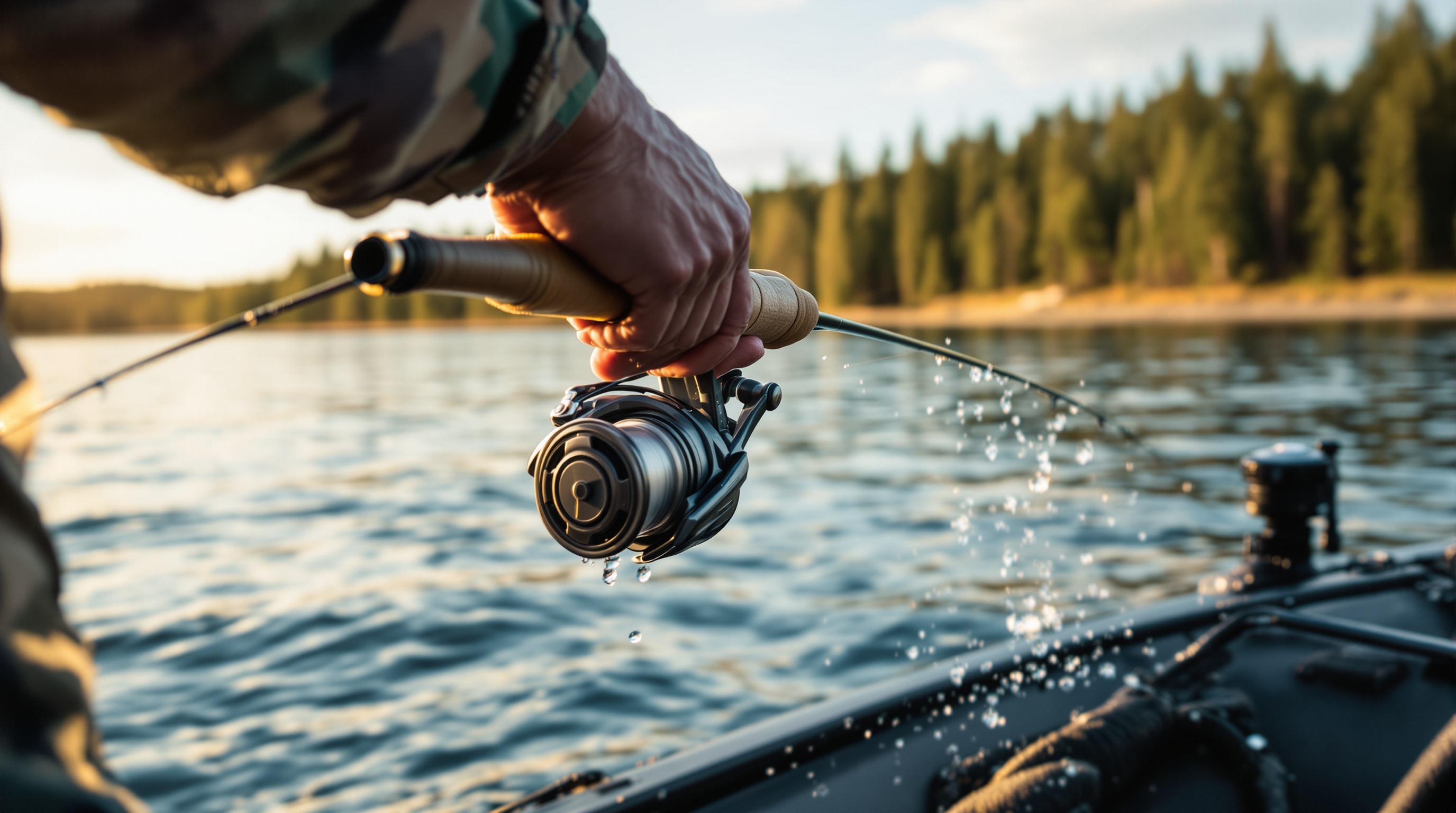
Wilderness fish are willing, but they still reward good technique. The methods that work on the fly-in lakes of Northwest Ontario are time-tested and refreshingly uncomplicated. Master a few of them and you will catch fish almost anywhere the boreal shield holds water.
Jigging for Walleye
The jig is the walleye angler's most versatile tool. Tipped with a soft-plastic twister tail or a live-style minnow body, a jig can be worked along the bottom over gravel points, dropped vertically down a break, or dragged slowly through a school. The key is contact: keep the jig ticking bottom, lift it a foot with a gentle snap, and let it fall on a semi-tight line. Most walleye hit on the fall, so watch your line and set the hook on anything that feels different — a tap, a tick, or simply weight where there should be slack.
Match the jig weight to the depth and wind: an eighth- or quarter-ounce head in the shallows, up to three-eighths or half an ounce when you need to hold bottom in current or a chop. Slow down when the bite is tough; walleye often want a bait barely creeping along.
Spinner Rigs and Slow Trolling
When walleye spread across a flat or roam a weed edge, a spinner rig with a flasher blade covers water and calls fish in. Trolled or drifted slowly, the blade's flash and thump imitate a fleeing baitfish. This is a superb search technique early in a trip, letting you find the pods of fish you can then work over with a jig.
Casting for Pike
Northern pike are the least subtle fish in the north, and fishing for them is pure fun. Work weedy bays, cabbage edges, and the mouths of warm shallow creeks. The classic pike presentations are:
- Spoons — cast out, let them flutter, and retrieve with an erratic wobble; silver and gold shine on bright days, red-and-white on grey ones.
- Bucktails and spinnerbaits — burned just under the surface over weed tops for reaction strikes.
- Large minnow baits — twitched along edges for following fish.
Pike often follow a lure to the boat before committing. If you see a fish trailing, sweep the rod into a figure-eight beside the boat; the change of direction triggers savage strikes. Always fish a leader — see our gear guide for the setup.
Fishing the Seasons
Timing shapes technique. Right after ice-out in May, fish hold shallow and warm bays produce; pike are aggressive and walleye gather near spawning structure. Through the warmth of summer, fish relate to deeper structure and low-light windows at dawn and dusk become prime. In the cooling water of September, fish feed heavily before winter and the biggest pike of the year prowl the shallows again. Our seasons page details these windows month by month.
Let the Lake Teach You
No two lakes fish exactly alike. Start with the water's obvious structure, experiment with depth and speed, and pay attention to when and where you get bit. Wilderness fish give honest feedback; within a day or two you will have the pattern dialed. Combine that with the right species knowledge and a respect for catch and release, and the fishing will live up to every story you have heard about the Canadian north.