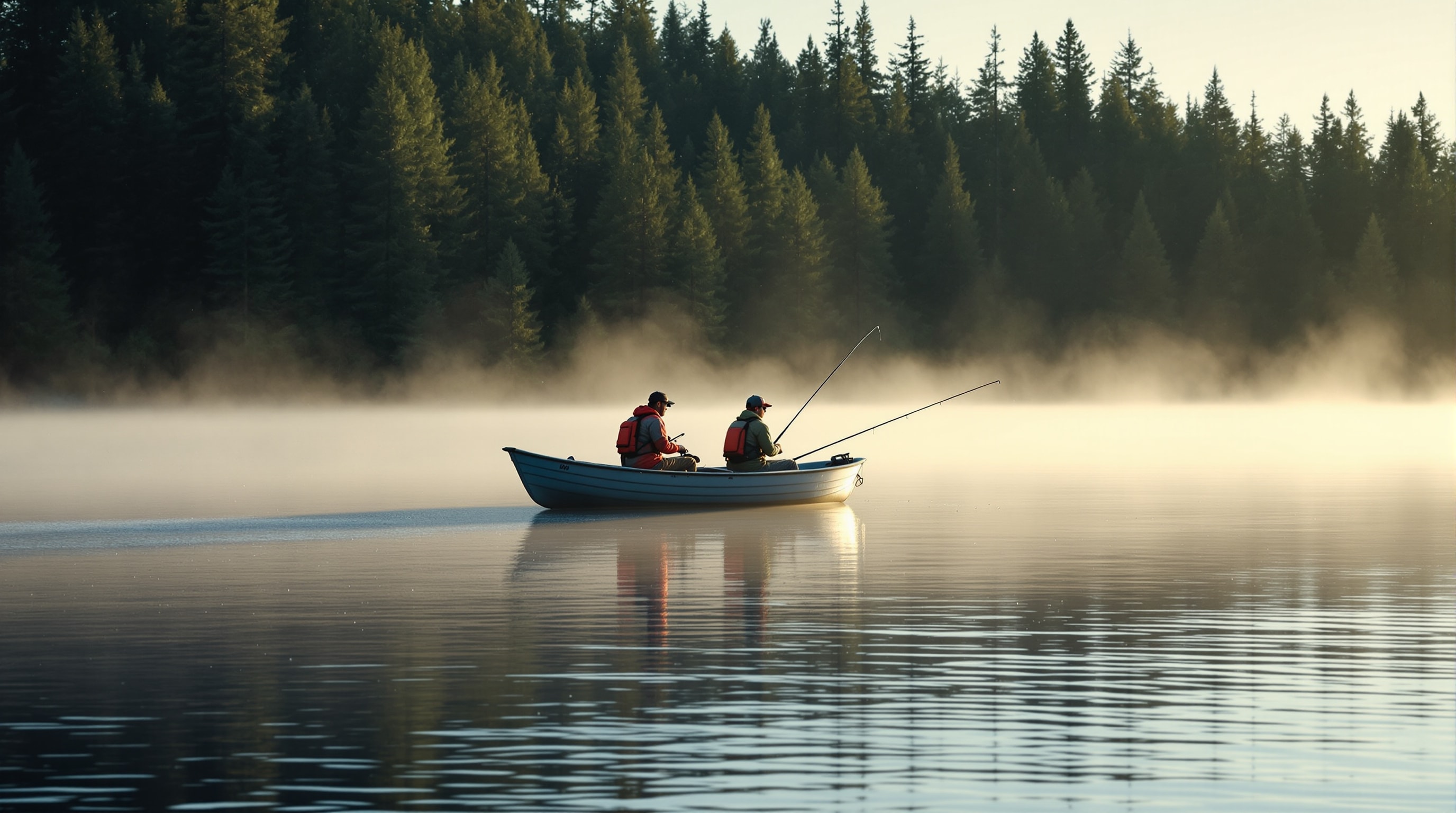
Fly-in fishing is less a style of angling than a way of reaching water that most people never see. In the Red Lake district of Northwestern Ontario, hundreds of lakes lie scattered across the boreal shield with no road to any of them. To fish them, you fly. This page explains what the experience is actually like, so you can decide whether a remote wilderness trip is right for you.
Why Remote Water Fishes Better
The single biggest reason anglers travel this far is pressure, or rather the lack of it. A drive-to lake near a city might host thousands of boats a year; a fly-in lake in the far north might see a few dozen anglers across an entire open-water season. Fewer hooks in the water means larger average fish, more aggressive feeding, and a fishery that recovers quickly. On many of these waters it is realistic to catch and release dozens of walleye in a day and to tangle with northern pike that have never seen a lure.
Lakes in the district commonly run several thousand acres, with structure that concentrates fish predictably: rocky points, weed edges, current-swept narrows, and the mouths of feeder creeks. Because so few people fish them, that structure produces year after year. Good operators cap the number of anglers on each lake precisely to protect this quality, and thoughtful visitors reinforce it by practicing catch and release.
The Rhythm of a Wilderness Week
A typical fly-in trip settles into an easy rhythm. Mornings begin with coffee on the dock and a look at the water; walleye often feed hard in the low light of early morning and again toward evening. Midday is for exploring: motoring to a distant bay, trying a connected lake through a navigable channel, or making a short portage to a hike-in pond that holds fish no boat has reached in weeks. Evenings bring the classic shore lunch, the loons, and a sky with more stars than most visitors have ever seen.
Self-sufficiency is part of the deal. On a genuine outpost trip there is no restaurant, no store, and no staff on site; you bring your food, run your own boat, and manage your own days. That independence is exactly what draws people back. For a full checklist of what this self-reliance requires, see our trip-planning guide.
Who Fly-In Fishing Suits
Remote fishing rewards anglers who value solitude over convenience. It suits small groups of friends or family who want uninterrupted days on the water, photographers drawn to the boreal landscape, and anyone who has grown tired of crowded launches and pressured fish. It is less suited to travelers who need amenities close at hand or who are uncomfortable being genuinely far from help. Understanding how floatplane access works helps set the right expectations before you commit.
The Landscape You Fish In
The Red Lake region sits within one of the largest intact boreal forests on Earth, bordering Woodland Caribou Provincial Park. Bald eagles wheel overhead, otters work the shorelines, and the occasional moose wades a shallow bay at dusk. Fishing here is inseparable from that wildness; you are a visitor in a working ecosystem, not a customer at a resort. Learn more about the country itself on our Red Lake region page.
If the idea of a lake to yourself, fish that fight, and a horizon of untouched forest sounds like your kind of trip, the rest of this guide will help you get ready for it.