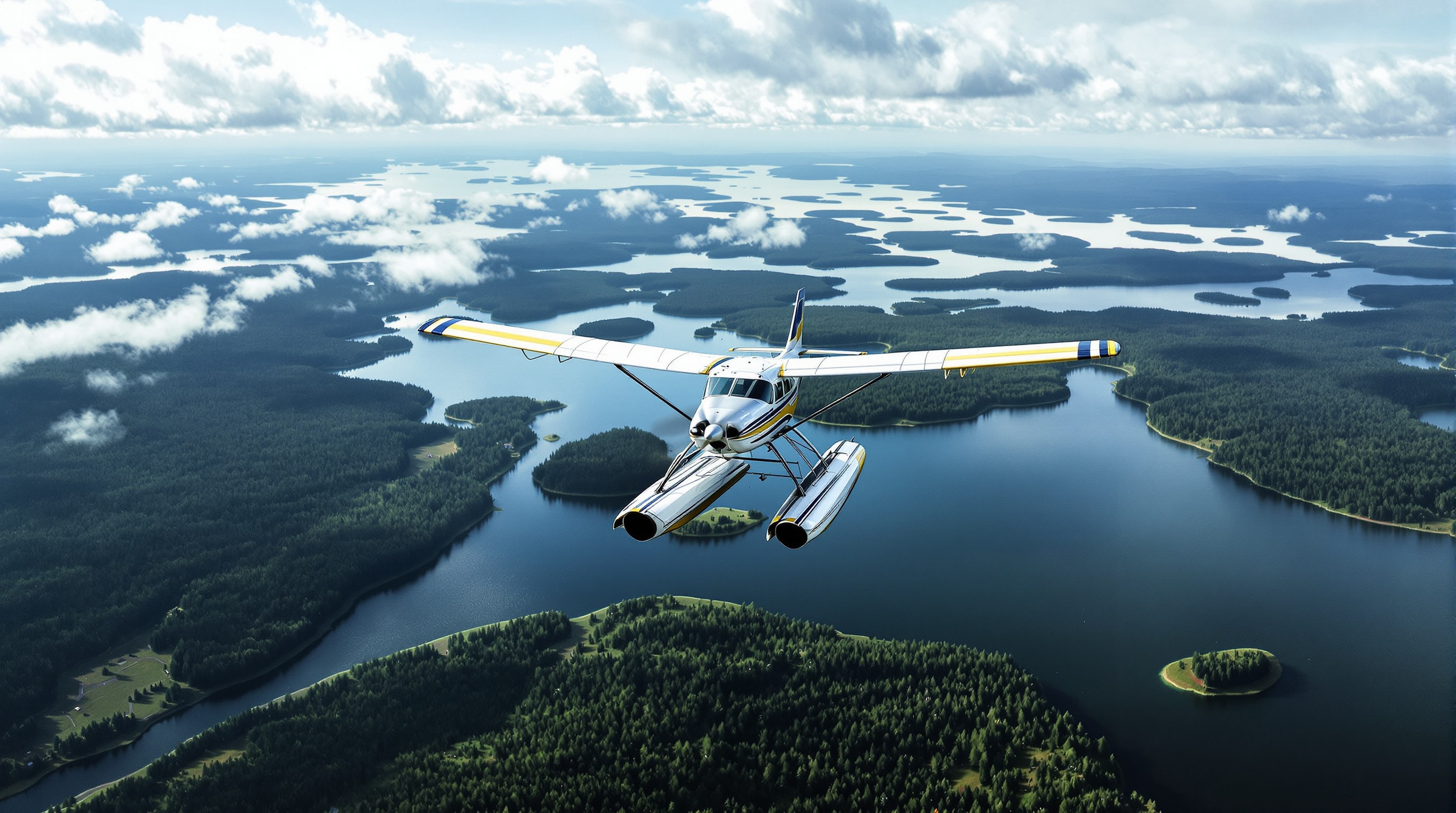
For most visitors, the floatplane flight is the moment a fishing trip becomes an adventure. It is also the practical heart of fly-in fishing: without bush planes on floats, the remote lakes of Northwest Ontario would be all but unreachable. This page demystifies the aircraft, the limits, and the experience of flying into the bush.
The Workhorses of the North
Northern float bases run a small fleet of rugged, time-proven aircraft. The legendary de Havilland Beaver and its larger cousin the Otter are the classic Canadian bush planes, prized for hauling gear and people out of short stretches of water. Smaller parties often travel in a Cessna 185 on floats — a nimble, capable single-engine aircraft that has served the north for decades. These planes are fitted with pontoon floats (a common model carries the well-known EDO float designation) that let them take off and land directly on a lake's surface.
These are not sleek airliners; they are flying pickup trucks, built to work. Their reliability and short-water performance are exactly what remote travel demands, and pilots who fly them accumulate a deep, practical knowledge of the country below.
Weight and Baggage Limits
The most important thing to understand before a fly-in trip is that weight is strictly limited. A floatplane can carry only so much, and safety depends on staying within that limit. Operators typically specify a baggage allowance per angler, and it is far less generous than airline luggage. That means packing deliberately: soft duffel bags instead of hard cases (they load more efficiently), a tight tackle selection, and only the food and gear you truly need. Coolers, cases of drinks, and over-packed tackle boxes add up fast.
Plan your packing around the weight limit from the start. Our trip-planning guide includes a packing approach designed for floatplane travel, and our gear guide keeps the tackle compact.
Loading Day at the Float Base
The morning of a flight follows a rhythm worth knowing in advance. Bags are weighed at the dock, groups are sometimes split across two trips if the load runs heavy, and the pilot decides how everything is distributed — that placement is a balance calculation, not a preference, so hand your gear over and let it be arranged. Rods travel in tubes, fuel and perishables ride where the operator says, and anything left behind waits for the next flight in. Expect to wait, too: departures slide with weather and with the rest of the day's schedule. Keep your rain shell and camera within reach and treat the delay as part of the trip rather than a problem with it.
What the Flight Is Like
A bush flight is short by airline standards — often twenty minutes to an hour — but unforgettable. The plane taxis across the float base, the engine surges, and the floats lift free of the water in a spray of foam. Then the boreal forest opens beneath you: a mosaic of lakes, rivers, muskeg, and endless spruce, with almost no sign of human presence. The landing is a gentle settling onto the destination lake, taxiing to a dock or shoreline where your week begins.
Safety and Weather
Bush flying is safe when done properly, and reputable operators take it seriously. Flights depend on weather; low cloud, high wind, or poor visibility can delay a departure, and patience is part of the north. This is not an inconvenience but a safety feature — good pilots wait for good conditions. Canada regulates commercial floatplane operations through Transport Canada, and passengers should always follow the pilot's safety briefing, know where the life jackets are, and listen to weight and seating instructions.
Part of the Magic
Ask returning anglers what they remember and many will mention the flight before the fishing. Skimming low over untouched country, then dropping onto a lake you will have almost to yourself, is a genuinely rare experience. Understanding how it works — and packing for it — lets you relax and simply enjoy the ride into the wilderness.